
Introduction
As CBD becomes increasingly mainstream, a growing number of users are turning to it for a variety of wellness goals—ranging from stress and anxiety relief to sleep support and chronic pain management. While CBD is available in many forms, two of the most widely used are CBD oil tinctures and CBD vape products. Both are known for delivering the therapeutic benefits of cannabidiol, but they differ significantly in how fast they take effect and how they’re experienced by the body.
Understanding the difference in absorption time between CBD vape and CBD oil requires a closer look at how each method delivers cannabidiol into your system. This difference is not just a matter of preference but often a strategic choice depending on your needs. Whether you’re trying to manage panic attacks, alleviate joint pain, improve your sleep cycle, or simply reduce everyday stress, knowing how quickly each form works can help you make an informed decision.
Let’s explore how each method works, the science behind their onset times, and what you should consider when choosing between them.
How CBD Vape Delivers Fast Results
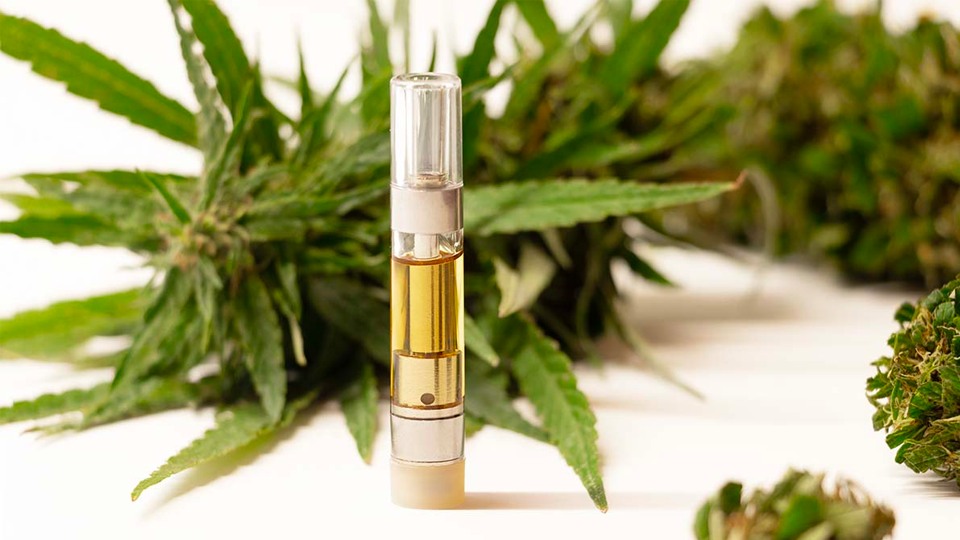
Vaping is one of the fastest ways to feel the effects of CBD. When you inhale vaporized CBD into your lungs, the compound passes through the alveoli—the tiny air sacs that line the lung tissue. These alveoli are surrounded by blood vessels, allowing substances like oxygen—and in this case, CBD—to enter your bloodstream almost instantly.
Because vaping bypasses the digestive system and liver metabolism, there’s minimal delay between inhalation and effect. For most people, the effects of a CBD vape can be felt within one to five minutes. This rapid onset makes it particularly useful for addressing acute symptoms. If you’re facing a sudden wave of anxiety, experiencing a tension headache, or dealing with physical pain, the quick action of CBD vapor can offer almost immediate relief.
Additionally, vaping offers a relatively high bioavailability. Bioavailability refers to the amount of a substance that actually enters your bloodstream and has an active effect. Studies suggest that inhaled CBD can have a bioavailability of up to 50–60%, which is significantly higher than other oral or edible methods. In other words, more of the CBD you take in is actually absorbed and used by your body when you vape it.
However, there are a few caveats. While the effects are fast, they don’t last as long. The benefits of a CBD vape hit hard and quickly but typically fade within 1–3 hours. For those seeking long-lasting relief, this may not be ideal. Furthermore, while modern CBD vape products are generally considered safe when sourced from reputable brands, there are concerns about the long-term impact of inhaling vaporized substances, especially if additives or low-quality ingredients are involved.
How CBD Oil Offers Sustained Relief
CBD oil, also known as a tincture, is one of the most popular and versatile forms of cannabidiol. It’s taken sublingually—meaning a few drops are placed under the tongue and held for about 60–90 seconds before swallowing. This method allows the oil to be absorbed into the bloodstream via the mucous membranes in the mouth.
Because of this partial absorption, CBD oil tends to have a slower onset compared to vaping. Most users begin to feel the effects within 15 to 45 minutes after dosing, although this can vary based on metabolism, whether you’ve eaten, and other factors. The key advantage, however, is that CBD oil provides a more gradual and sustained release of effects that can last anywhere from 4 to 6 hours.
CBD oil has a lower bioavailability than vaping—usually around 20–30%—but it remains a preferred method for those who want long-term relief throughout the day or night. It’s also ideal for users who prefer not to vape or inhale anything into their lungs. Because oil is easy to measure and dose precisely using a dropper, many find it easier to build a consistent CBD routine with tinctures.
In addition, CBD oil is extremely discreet and doesn’t require any extra equipment. You can keep a bottle in your bag, take it on a plane, and use it anytime without drawing attention. This convenience makes it a favorite among those using CBD for sleep support, general wellness, or conditions that require multiple doses per day.
Comparing Duration and Consistency
One of the primary differences between CBD vape and oil is duration of effect. While vape offers a quick onset, its effects tend to be short-lived. You might feel relief quickly, but you may also find yourself needing to redose sooner. This makes vape more suited for situational use—when you need fast-acting results during high-stress moments or acute symptoms.
CBD oil, on the other hand, provides a more gradual and longer-lasting experience. While it may not give you the same immediate sense of calm or relief, it’s better suited for sustained effects throughout the day. Many users take CBD oil in the morning and again at night to maintain a steady baseline of support.
Because the body processes each form differently, many people actually use both: a vape for fast relief when symptoms flare up, and oil for ongoing, daily support.
Safety, Comfort, and Personal Preference
Another key consideration when choosing between CBD oil and vape is your comfort level. Not everyone feels comfortable inhaling a substance, even one as natural as CBD. Individuals with respiratory conditions, or those who are sensitive to vapor, may find vaping unpleasant or potentially aggravating.
CBD oil, in contrast, is non-invasive and easier on the lungs. It’s also more accessible to people who are new to cannabis or hemp-derived products. There’s no need for devices, charging, or cartridges—just a bottle and a dropper. Many users find this simplicity comforting, especially when establishing a daily wellness routine.
That said, some users prefer the ritual and sensory experience of vaping. The act of inhalation mimics smoking or using an e-cigarette and can feel more familiar to those already comfortable with vape devices. Flavored CBD vape liquids also offer an enjoyable way to consume the compound, which can be a draw for recreational users or those who enjoy flavored products.
Legal and Regulatory Factors
It’s also worth noting that legality and regulation may affect your decision. In many countries, CBD oil derived from hemp with less than 0.3% THC is widely legal and accessible. CBD vape products, however, may face tighter restrictions—not because of the CBD itself, but due to concerns over vaping in general.
Some regions have banned flavored vape products, while others require specific labeling or testing for vape cartridges. If you’re considering traveling with CBD, oils are typically more accepted and less likely to be confiscated or questioned than vape devices. Always check local laws before purchasing or carrying CBD across borders.
Long-Term Use and Lifestyle Integration
Integrating CBD into your daily lifestyle also plays a role in choosing the right method. If you need something fast during a stressful commute or before a social event, a vape pen might be the most efficient tool in your wellness kit. But for consistent, systemic support that works in the background throughout your day, CBD oil is a better candidate.
Many users who rely on CBD for chronic issues such as anxiety, inflammation, or insomnia develop routines that include oil as their foundation, and use vaping only as needed. This hybrid approach can offer the best of both worlds—quick relief when you need it, and a longer-lasting calm as your baseline.
Which One Is Right for You?
Ultimately, the choice between CBD vape and CBD oil comes down to your goals, your comfort level, and your lifestyle. Do you need fast relief or steady support? Are you okay with using a vape pen, or do you prefer a device-free solution? How quickly do you want to feel the effects—and how long do you want those effects to last?
The answer might not be one or the other. Many people find that both methods serve a unique purpose in their CBD routine. CBD vape may help when life throws curveballs, while CBD oil keeps you steady and balanced day-to-day.
Whatever you choose, start slow and monitor your experience. Pay attention to how your body reacts, how long the effects last, and how it makes you feel. Always purchase products from reputable brands that offer third-party testing to ensure safety and potency. Whether you choose the instant calm of a vape or the steady support of a tincture, both methods can play an important role in your wellness journey.
Also Read: Can You Vape Too Much CBD? Understanding Dosing and Tolerance
Final Thoughts
If you’re looking for speed, CBD vape is the fastest method available. It delivers cannabidiol directly into your bloodstream through your lungs, offering relief within minutes. For ongoing support and consistent results, CBD oil provides a reliable, long-term solution.
Ultimately, your decision should reflect your health goals, lifestyle, and comfort with each method. Both have a place in a well-rounded wellness routine, and you don’t necessarily have to choose just one.
Try both. Monitor your results. Adjust as needed. In the end, CBD is personal, and the best method is the one that meets your unique needs.