
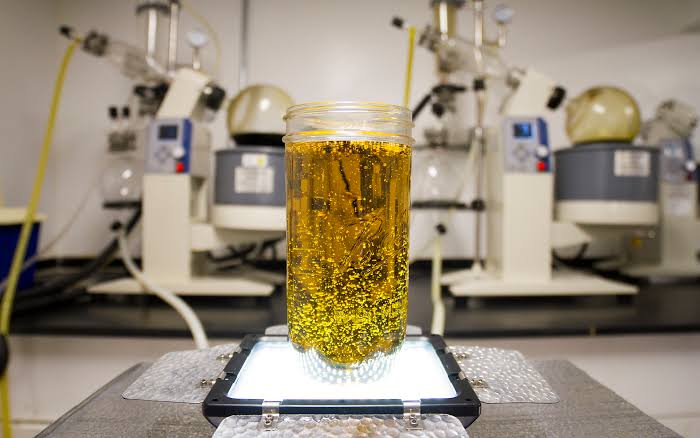
CBD oil has become one of the most recognized hemp-derived wellness products, but many consumers are unfamiliar with how it is made. From cultivating hemp plants to extracting CBD and testing the final product, each step plays an important role in ensuring quality, consistency, and transparency.
Understanding the production process can help you make informed purchasing decisions and recognize the characteristics of a high-quality CBD oil. While different manufacturers may use slightly different techniques, the journey from hemp plant to bottle generally follows the same essential stages.
In this guide, we’ll walk through how CBD oil is made, what happens during each step, and what to look for when choosing a product.
What Is CBD?
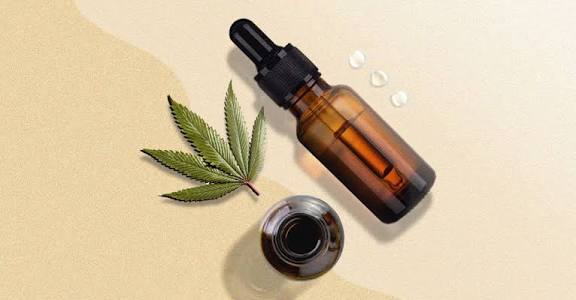
CBD, or cannabidiol, is one of the many naturally occurring compounds known as cannabinoids that are found in the hemp plant. Unlike THC, CBD does not produce intoxicating effects when derived from hemp within legal limits.
CBD is commonly used in oils, capsules, gummies, topicals, and other wellness products.
Step 1: Growing High-Quality Hemp
Every quality CBD oil begins with carefully cultivated hemp plants. The quality of the raw hemp has a direct impact on the final product.
Reputable growers typically focus on:
- Healthy soil
- Sustainable farming practices
- Proper irrigation
- Pest management
- Harvesting at the right time
Many manufacturers also prefer hemp grown without unnecessary pesticides or harmful chemicals.
Why Hemp Quality Matters
Hemp is known as a “bioaccumulator,” meaning it absorbs substances from the soil in which it grows. This characteristic makes cultivation practices especially important.
High-quality hemp is more likely to produce CBD oil with:
- Better cannabinoid profiles
- Cleaner ingredients
- Consistent quality
- Greater transparency
Starting with quality hemp helps lay the foundation for a reliable final product.
Step 2: Harvesting the Hemp Plants
Once the hemp reaches maturity, it is harvested at the optimal stage to preserve valuable plant compounds.
The flowers of the hemp plant contain the highest concentration of cannabinoids and are typically the primary source for CBD extraction.
After harvesting, the plants are carefully dried to reduce moisture and prepare them for processing.
Step 3: Drying and Preparing the Plant Material
Drying is an essential part of the production process.
Proper drying helps:
- Preserve cannabinoids
- Protect terpenes
- Prevent mold growth
- Maintain product quality
Once dried, the plant material is trimmed and prepared for extraction.
Step 4: Extracting CBD From Hemp
Extraction is the process of separating CBD and other beneficial compounds from the hemp plant.
Several extraction methods are used in the CBD industry.
CO₂ Extraction
Supercritical CO₂ extraction is one of the most widely used methods because it allows manufacturers to extract cannabinoids without leaving harmful solvent residues.
Advantages include:
- Clean extraction process
- High purity
- Consistent quality
- Preservation of cannabinoids and terpenes
This method is commonly preferred by premium CBD brands.
Ethanol Extraction
Food-grade ethanol is another method used to extract cannabinoids from hemp.
Benefits include:
- Efficient processing
- Suitable for large-scale production
- Effective cannabinoid extraction
The ethanol is removed during processing before the oil reaches consumers.
Hydrocarbon Extraction
Some manufacturers use hydrocarbons such as butane or propane for extraction. While these methods can be effective, they require careful processing to ensure residual solvents are removed.
Many consumers prefer products made using CO₂ extraction because of its reputation for cleanliness and precision.
Step 5: Winterization and Filtration
After extraction, the oil contains more than just cannabinoids. It may also include plant waxes, fats, chlorophyll, and other natural compounds.
Winterization is a purification step that removes many of these unwanted materials.
The process typically involves:
- Cooling the extract
- Filtering impurities
- Producing a cleaner oil
This helps improve the product’s appearance, consistency, and overall quality.
Step 6: Decarboxylation
CBD naturally exists in hemp as CBDA (cannabidiolic acid).
During decarboxylation, controlled heat converts CBDA into CBD.
This important step helps prepare the extract for use in many finished CBD products.
Step 7: Refining the Extract
Depending on the desired product, manufacturers may further refine the extract.
This stage determines whether the final oil becomes:
Full-Spectrum CBD Oil
Contains:
- Multiple cannabinoids
- Natural terpenes
- Flavonoids
- Trace amounts of THC within legal limits
Many consumers appreciate full-spectrum products because they retain a broad range of naturally occurring hemp compounds.
Broad-Spectrum CBD Oil
Broad-spectrum products contain:
- Multiple cannabinoids
- Terpenes
- Flavonoids
However, THC is removed during processing.
This option appeals to consumers seeking a wider range of hemp compounds without THC.
CBD Isolate
CBD isolate undergoes additional refinement to remove other cannabinoids and plant compounds.
The result is nearly pure CBD.
CBD isolate is often used in products designed to contain only cannabidiol.
Step 8: Mixing With a Carrier Oil
Pure hemp extract is highly concentrated.
To make it easier to use, manufacturers blend it with a carrier oil.
Common carrier oils include:
- MCT oil
- Hemp seed oil
- Olive oil
- Avocado oil
Carrier oils help distribute CBD evenly throughout the product and simplify serving.
Step 9: Laboratory Testing
One of the most important stages is independent laboratory testing.
Reputable CBD companies send their products to third-party laboratories that analyze them for:
- CBD content
- Cannabinoid profile
- THC levels
- Heavy metals
- Pesticides
- Residual solvents
- Microbial contaminants
Many brands publish Certificates of Analysis (COAs), allowing consumers to review test results before purchasing.
Step 10: Bottling and Packaging
Once testing is complete, the CBD oil is bottled under controlled conditions.
Manufacturers typically use dark-colored glass bottles because they help protect the oil from light exposure.
Packaging generally includes:
- CBD strength
- Ingredient list
- Serving information
- Batch number
- Expiration date
- Storage instructions
Clear labeling reflects a manufacturer’s commitment to transparency.
How to Recognize High-Quality CBD Oil
Not all CBD oils are produced using the same standards.
When comparing products, consider the following:
- Hemp sourced from reputable farms
- Third-party lab testing
- Clearly labeled ingredients
- Transparent manufacturing practices
- Appropriate CBD strength options
- Easy access to Certificates of Analysis
These factors can help you evaluate product quality with greater confidence.
Proper Storage Helps Maintain Quality
After purchasing CBD oil, proper storage can help preserve its freshness.
For best results:
- Store it in a cool, dry place.
- Keep the bottle tightly sealed.
- Avoid direct sunlight.
- Protect it from excessive heat.
- Follow the manufacturer’s storage recommendations.
Proper handling helps maintain the product’s quality over time.
Why Manufacturing Transparency Matters
Consumers today want to know exactly what goes into the products they buy.
Brands that openly share information about:
- Hemp sourcing
- Extraction methods
- Laboratory testing
- Ingredients
- Manufacturing standards
often inspire greater consumer confidence.
Transparency allows buyers to make informed decisions based on reliable information rather than marketing claims.
Also Read: CBD Oil and Mental Clarity: What Current Research Suggests
Final Thoughts
The journey of CBD oil from hemp plant to bottle involves much more than simply extracting cannabidiol. Every stage—from cultivating high-quality hemp and selecting an extraction method to refining the extract, conducting third-party testing, and carefully packaging the final product—contributes to the oil’s overall quality and consistency.
By understanding how CBD oil is made, consumers are better equipped to evaluate products and choose brands that prioritize transparency, quality, and rigorous testing. Whether you’re new to CBD or exploring different options, knowing what happens behind the scenes can help you make more informed decisions and feel confident about the products you select for your wellness routine.